






Your shopping cart is currently empty.

Sign in and join Kleen Rite rewards to earn points and redeem rewards

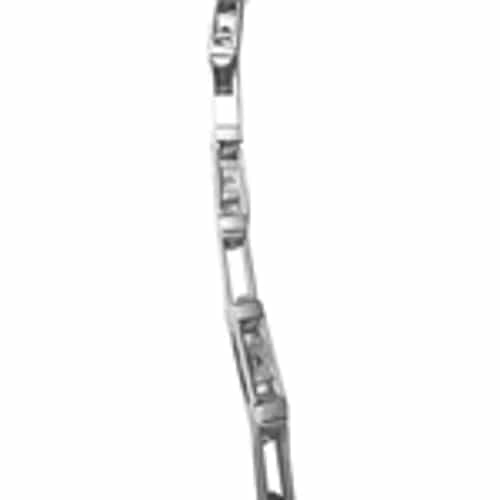
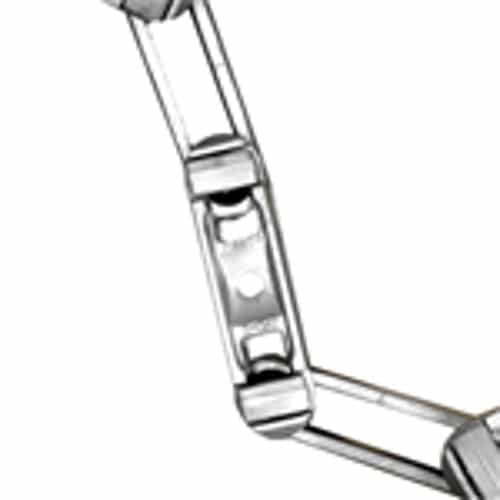
High-strength X458 chain segment for automatic conveyors. Measures 10 feet long, 4" pitch.
Reliable, high-strength X458 conveyor chain for use in car wash conveyor systems. This 10-foot section is designed for demanding environments, ensuring smooth vehicle movement and consistent operation. Suitable for replacing worn or damaged conveyor chain sections in new or existing car wash applications. It may also be used in other industries like automotive assembly lines and other manufacturing environments.
X458 chain, also be referred to as X-458, is a heavy-duty rivetless option built to handle the continuous load of passenger vehicles in car wash tunnels. Manufactured from heat-treated steel with hardened parts, the chain resists stretching and wear, minimizing downtime and maintenance. Each 10-foot length comes pre-assembled for convenience, making replacement or extension of your existing conveyor fast and straightforward. Compatible with most standard X458 track systems used in car washes.
It's pretty simple to figure out what the total length of your chain should be for your conveyor. Simply take the length of your tunnel and multiply it by two. Chain is typically sold in segments that match the space needed between rollers. For example, this X458 chain is sold in 10' segments. To figure out how many segments, simply take your total length (tunnel length x 2) and divide that by 10'. Of course, if only one part of your chain is worn or damaged, you can replace individual sections as needed.
There are four styles of high-quality steel conveyor chain very commonly used in the car wash industry. Although you may come across specialized chains in some cases, these are by far the most popular and your car wash system likely already uses one of them. When choosing replacement chain, visually check your chain and/or refer to any manuals or system documentation.
X458: Consists of a combination of links, carrier links, pins, and side bars. Has a 4" pitch. Used with a wide range of conveyor systems from Sonny's, PECO, Belanger, MacNeil, Tommy, Motor City, and more. The most popular include:
D88K: Uses a series of welded links connected by either rivets or clevis and cotter pins. Has a 2.609" pitch. D88K is used with several systems from Sonny's, Coleman Hanna, and PECO. The most popular include:
SC78: Similar to the DK88, SC78 chain consists of welded links connected by either rivets or clevis and cotter pins. Each link has a 2.609" pitch. The most common system that uses this style of chain is Sonny's Over/Under Conveyor.
Log Chain: This is the most recognizable and simple type of chain. Log chain is the classic style used in numerous applications, with welded oval links permanently connected with no other parts required. The most common pitch size in the car wash industry is 3.5". Log chain is incredibly heavy, durable, and long-lasting.
Switching to Log Chain
While X458, D88K, and SL78 work very well once you have them properly installed, they do require a level of precision and skill to assemble and disassemble due to various parts being involved. As such, many car wash owners are switching to log chain for their conveyors, as it's easier to work with. Additionally, log chain lasts 2 to 3 times longer than X458, D88K, and SL78. The main downside of log chain is that it's very heavy and cumbersome compared to the other types.
Pro Tip: If you are considering changing the type of chain you use, note that while it may be possible to so, the new chain will most likely NOT be compatible with the existing components in your conveyor system. If making a switch, you'll also have to replace parts like your rollers, sprockets, and drums to ensure functionality.
Shop all conveyor parts HERE.
Maintaining proper tension is critical for the reliable function of your car wash conveyor chain. Over time, chains can *stretch or loosen, causing misalignment, uneven vehicle movement, or even operational shutdowns. To tighten the conveyor chain, first shut down the system and disconnect all power sources to ensure safety. Next, locate the chain tensioner or the conveyor's adjustment bolts, which are often positioned near the take-up mechanism. Loosen the locking nuts, then gradually turn the adjustment bolts to increase tension while monitoring the chain's slack—there should be just enough movement to prevent binding, but not so tight that it creates excessive wear. After reaching the appropriate tension, re-tighten the locking nuts and check the alignment to make sure the chain tracks properly through the X458 conveyor system. Finally, power up the system for a test run and observe its operation; listen for unusual noises and watch for smooth vehicle transfer. Regular tension checks can help minimize downtime, extend chain life, and ensure your car wash operates at peak efficiency. If you’re unsure about the process or need guidance specific to your equipment model, consult your maintenance manual or contact a qualified technician.
*Pro Tip: Although it's commonly described as "stretching," this is actually caused by the links becoming subtly worn at their contact points. Since the link is slightly thinner at these points, it increases the overall chain length, giving the appearance of stretching. In reality, it takes immense amounts of heat and pressure for high-tensile steel to stretch.
Determining your car wash chain conveyor capacity is essential for maximizing throughput and ensuring smooth, efficient operation. To calculate the capacity, start by measuring the overall length of the conveyor chain installed in your tunnel—this is typically found by multiplying your tunnel’s total length by two, since the chain loops back through the system. Next, divide this total chain length by the length of each vehicle space or carrier zone; this will tell you how many vehicles can fit on the conveyor at any given time. Factor in the chain pitch (such as the 4-inch pitch for X458 chains), as this affects roller spacing and the positioning of each vehicle. Moreover, conveyor speed and the programmed gap between cars play a significant role—faster speeds and tighter spacing increase capacity but may require greater attention to safety and system adjustments. It’s important to confirm your tunnel’s drive system can handle the projected load and that your timing controls are set correctly to avoid collisions or jams. Regularly reviewing these measurements and making precise adjustments helps maintain optimal chain conveyor capacity, prevents bottlenecks, and supports the smooth movement of vehicles through your car wash operation. If you need guidance specific to your equipment type, consult your conveyor system manual or reach out to a knowledgeable technician.
This is the easiest and doesn’t require any special equipment:
Steps:
If you have these technical specifications, you can use a technical formula to determine your chain speed:
Use this formula: Chain speed (FPM) = (Motor RPM ÷ Gear Ratio) × Sprocket Circumference (ft)v
Here are the three primary types of chain drives. While all three may be used in a car wash environment with the wide array of equipment used, the conveyor type is the most relevant and important to understand if you're running a tunnel car wash.
A conveyor chain is a robust mechanical assembly designed to move materials or products along a fixed path, typically within an industrial environment like a car wash, manufacturing line, or warehouse. Built from interconnected links, pins, and, in many cases, additional components such as carrier links and side bars, conveyor chains are engineered to withstand continuous operation and repeated loading cycles. These chains transfer motion and force, allowing the synchronized movement of vehicles or goods from one point to another, which is crucial for efficient, automated workflows. Different types of conveyor chain—such as the X458 model—are selected based on application needs, including load capacity, required durability, pitch size, and compatibility with specific conveyor systems. In car washes, conveyor chains must handle exposure to water, chemicals, and frequent start-stop cycles, so models like the X458 are often made from heat-treated, drop-forged steel to resist wear and minimize stretching. Regular inspection and proper maintenance are important for maximizing chain life, maintaining smooth vehicle flow, and reducing unexpected downtime in demanding environments.

Your shopping cart is currently empty.
Sign in and join Kleen Rite rewards to earn points and redeem rewards

